RIP European PHEVs: Models Discontinued by 2027, Euro 6e-bis Utility Factor Shock & Euro 7 Reality
From the demise of the best-selling Ford Kuga to the 4,260 km Utility Factor shock under Euro 6e-bis Phase 2: a definitive guide to PHEVs discontinued by 2027, soaring CO2 figures, and Euro 7 rules.
Introduction: Europe's #1 PHEV Bows Out — Ford Kuga and the 2027 Cull
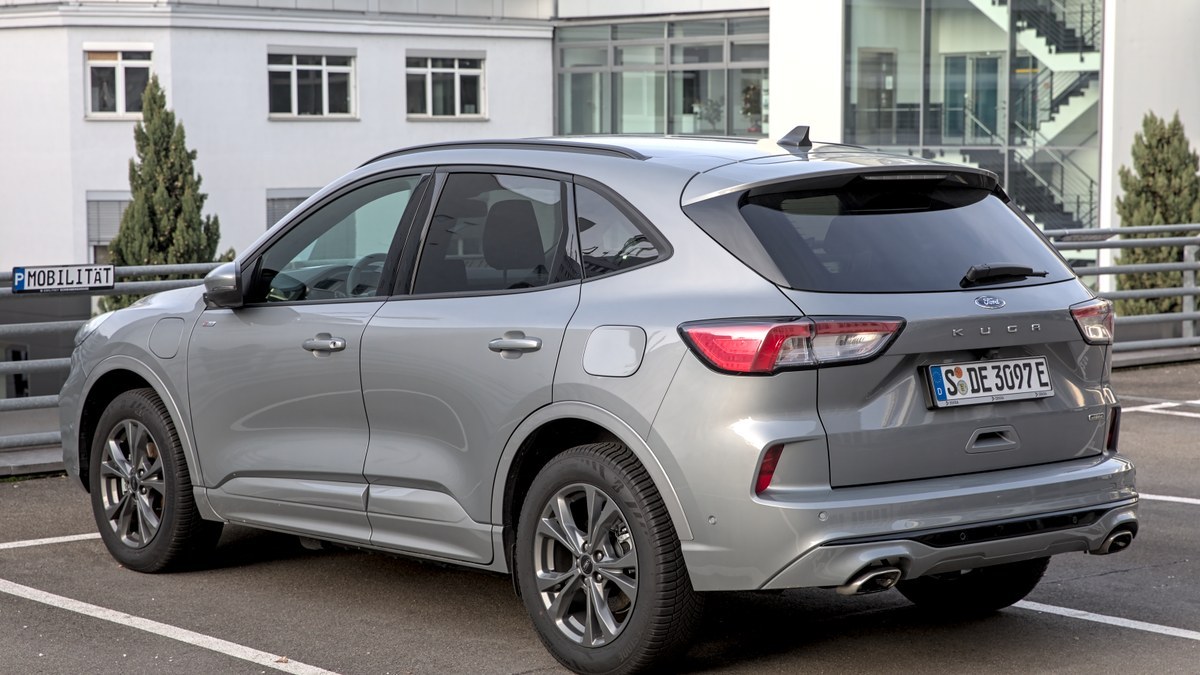
For four consecutive years, the Ford Kuga Plug-in Hybrid stood as the undisputed best-selling rechargeable hybrid in the European market. As 2027 approaches, however, this pillar of European mobility is preparing for its final exit from the assembly line. Ford's corporate restructuring in Spain — pivoting its Valencia manufacturing complex entirely toward pure electric vehicles and winding down combustion crossover lines — will leave a massive void for hundreds of thousands of family and company fleet buyers.
Yet the Kuga is not alone in its departure. Other long-standing names are quietly disappearing from European price lists: the Mercedes-Benz B-Class (B 250 e compact MPV), the Mazda MX-30 R-EV (burdened by the elevated real-world fuel consumption of its rotary range extender), and the small-battery Jeep Renegade 4xe are either ceasing production entirely or being phased out of European showrooms.
To evaluate surviving value alternatives across the continent, explore our curated guide to the Cheapest PHEVs in Europe.
Behind this unprecedented vehicle cull lies more than simple commercial lifecycle planning: an aggressive new regulatory squeeze orchestrated by the European Union is fundamentally reshaping the automotive landscape.
Euro 6e-bis-FCM Phase 2 Shock: 4,260 km Utility Factor & The 50 g/km ZLEV Threshold
The European Commission's Euro 6e-bis framework, powered by mandatory On-Board Fuel Consumption Monitoring (OBFCM) telemetry gathered from millions of road-driven vehicles, has completely rewritten the official "Utility Factor" (UF) calculation for plug-in hybrids.
Under early testing protocols, regulators optimistically modeled PHEVs assuming electric driving over a modest 800 km baseline. In 2025, that distance surged to 2,200 km. Beginning with Euro 6e-bis Phase 2 in 2027, the calculation standardizes against an aggressive 4,260 km baseline.
This mathematical shift obliterates the artificial emissions benefits previously enjoyed by legacy models with 10 to 15 kWh battery packs:
[!IMPORTANT]
Why the Utility Factor (UF) Penalizes Small Battery Packs:
When the reference distance expands to 4,260 km, a 12 to 14 kWh battery delivering only 50 to 60 km of zero-emission range covers merely a fraction of the regulatory cycle on electricity. The test assumes the vehicle operates on gasoline for the remaining thousands of kilometers, causing certified CO2 emissions to skyrocket from 25–30 g/km to 95–115 g/km virtually overnight.
This sudden surge pushes these vehicles well past the EU's critical 50 g/km Zero and Low-Emission Vehicle (ZLEV) subsidy threshold. Crossing this threshold triggers punishing tax repercussions:
- In Germany, company car drivers lose the advantageous 0.5% taxable benefit-in-kind tier, reverting to the standard 1.0% rate.
- In Poland, the corporate vehicle tax depreciation deduction ceiling drops from 150,000 PLN to 100,000 PLN.
- In the United Kingdom, Benefit-in-Kind (BiK) taxation rates double.
For a detailed legal and technical breakdown of this legislation, read our Euro 6e-bis Emissions & Utility Factor Guide.
What is the Real-World Range of the Ford Kuga?
Official WLTP ratings are measured in a controlled 23°C laboratory. Test how winter sub-zero temperatures (-10°C), sustained 130 km/h highway speeds, and terrain elevation impact actual battery range on your specific commute.
CO2 Leap & Taxation Matrix: Which PHEVs Survive and Which Fall Behind?
The technical matrix below illustrates the divergence between legacy WLTP lab figures and projected Euro 6e-bis Phase 2 certified CO2 emissions, alongside battery sizes and corporate tax compliance:
| Model Name & Trim | Battery Capacity (Gross) | Legacy WLTP CO2 | Euro 6e-bis CO2 (Projected) | 50 g/km ZLEV Status | Model Future & Outlook |
|---|---|---|---|---|---|
| Ford Kuga 2.5 PHEV | 14.4 kWh | 24 g/km | 98 g/km | ❌ Lost | Production ceases before 2027 / Exiting catalog |
| Jeep Renegade 4xe | 11.4 kWh | 44 g/km | 118 g/km | ❌ Lost | Discontinued / Clearing remaining inventory |
| Mercedes-Benz B 250 e | 15.6 kWh | 27 g/km | 91 g/km | ❌ Lost | Compact MPV model line terminated |
| Mazda MX-30 R-EV | 17.8 kWh | 21 g/km | 86 g/km | ❌ Lost | Phasing out due to high gasoline consumption |
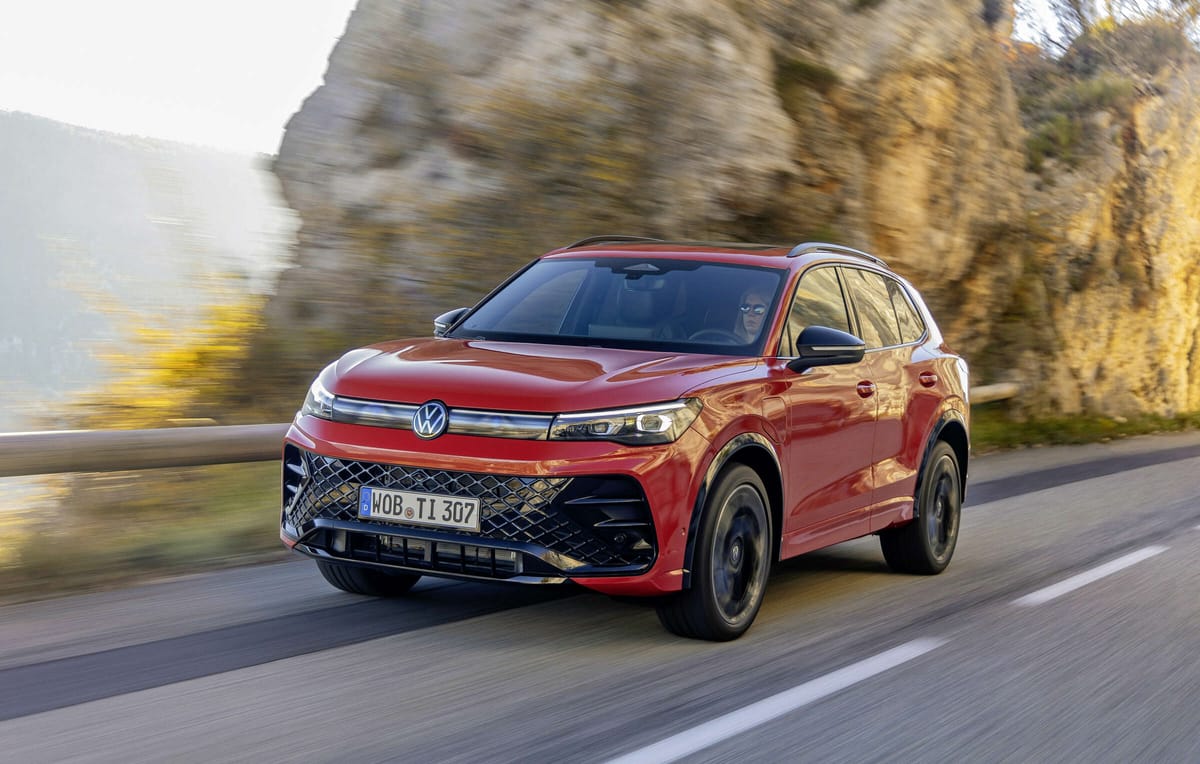
| Volkswagen Tiguan eHybrid | 25.7 kWh | 11 g/km | 38 g/km | ✅ Retained (ZLEV Compliant) | Continues strongly on new MQB Evo platform |
| Volkswagen Passat eHybrid | 25.7 kWh | 10 g/km | 34 g/km | ✅ Retained (ZLEV Compliant) | Corporate fleet leader with 120+ km EV range |
| Škoda Superb iV | 25.7 kWh | 9 g/km | 31 g/km | ✅ Retained (ZLEV Compliant) | Long-term compliant with 50 kW DC charging |
| BMW X5 xDrive50e | 30.5 kWh | 18 g/km | 42 g/km | ✅ Retained (ZLEV Compliant) | Sub-50g rating preserved via large battery pack |
To calculate corporate deduction limits and national tax liabilities across European jurisdictions, try our interactive PHEV Tax Simulator.
As demonstrated by the data, modern architectures with 20+ kWh batteries comfortably remain beneath the 50 g/km threshold to preserve vital tax credits, while older models with sub-15 kWh batteries are systematically eliminated.
Euro 7 Firm Cutoff: 29 November 2027, Brake Dust (PM10) & Battery Durability
The regulatory clock is officially ticking toward the European Council and Parliament's ratified Euro 7 implementation dates:
- Final Registration Cutoff: 28 November 2027: Vehicles certified exclusively under Euro 6e-bis type approvals cannot be registered for road use in the European Union after 28 November 2027.
- Mandatory Euro 7 Effective Date: 29 November 2027: Every newly registered passenger car sold within the EU must comply fully with Euro 7 standards from this date forward.
Beyond tailpipe criteria, Euro 7 introduces two demanding technical requirements that directly affect plug-in hybrids:
- Brake Dust PM10 Emission Cap (7 mg/km): Particulate matter released by mechanical brake pads must not exceed 7 mg/km. While PHEVs use aggressive regenerative braking to minimize pad friction during daily driving, heavy battery packs elevate curb weight, forcing carmakers to develop specialized low-dust friction compounds and particle capture enclosures.
- Mandatory Battery Durability Benchmarks: Euro 7 mandates that every PHEV traction pack retain at least 80% State of Health (SoH) after 5 years or 100,000 km, and at least 72% SoH after 8 years or 160,000 km.
[!WARNING]
Dealer Inventory & Pre-Registration Fire Sales:
Any unsold Euro 6e-bis inventory remaining unregistered by 28 November 2027 cannot legally be sold as new cars in the EU. In late 2027, franchised dealers and distributors will be forced into widespread pre-registrations (Tageszulassung), flooding the secondary market with discounted zero-kilometer vehicles.
China VAT Refund Reduction (13% to 9%) & Strategic Buyer Outlook
An influential global economic variable entering force is the tax reform announced by China's Ministry of Finance. Beginning 1 April 2027, the statutory export Value-Added Tax (VAT) rebate on New Energy Vehicles (NEVs, encompassing PHEVs and BEVs) will be reduced from 13% down to 9%.
This 4% direct cost inflation, combined with heightened EU countervailing duties, significantly narrows the pricing gap between Chinese imports and European-built vehicles. Consequently, manufacturers such as BYD, Chery, and XPENG are speeding up the commissioning of localized European production lines in Hungary, Spain, Austria, and Turkey.
PHEVs.eu Editorial Buying Advice & Strategic Roadmap:
- Steer Clear of Legacy Small-Battery PHEVs: Vehicles limited to 10–15 kWh batteries and lacking DC fast charging will face steep residual value depreciation throughout 2026 and 2027 as company car tax advantages evaporate.
- Demand 20+ kWh and 50 kW DC Fast Charging: When purchasing or leasing a plug-in hybrid, insist on a gross battery capacity above 20 kWh and standard CCS2 DC fast charging capabilities. These specifications protect you from future regulatory crackdowns and ensure robust long-term resale value.
Stay Ahead on Next-Gen PHEV Releases & OTA Updates
Get notified when new European plug-in hybrid models premiere, along with real-world range benchmarks, battery chemistry insights, and software update breakdowns.
Related Models
Technical specs and live range simulations for models featured in this report
 65 km EV
Kuga
 125 km EV